Why is strength training important?
Discover the benefits of strength training for all ages, including improved bone density, increased muscle strength, better balance, and reduced risk of chronic diseases. Learn how regular strength training can boost your health and confidence

In the UK, 43% of adults do not meet the Chief Medical Officer’s guidelines of performing 2 or more strength training activities a week, and 32% do not engage in any strength training at all. These numbers show that many people are missing out on the great benefits of strength training, which can help support better long-term health.
Strength training through the generations.
There are clear generational differences in strength training habits across the UK. Three-quarters (75%) of Generation Z and 74% of Millennials participate in strength training activities at least twice a week, meeting or exceeding current guidelines. Among Gen X, 55% meet these recommendations, while 34% of Baby Boomers also participate in regular strength-building activities. Despite these positive trends in the younger generations, only 11% of UK adults overall are doing even half of the minimum recommended strength-based activity each week. These statistics highlight the importance of making strength training a consistent part of life, regardless of age, and help set the stage for understanding its broad benefits. So why is strength training so important?
Benefits of strength training?
Strength training applies focused stress to bones, prompting them to grow stronger and more resilient over time.
Regular resistance training builds muscle power, making daily activities feel easier and improving functional movement.
Stronger muscles stabilise joints and reinforce posture, reducing the likelihood of common strains and injuries.
Developing lean muscle increases resting calorie burn, supporting weight regulation and maintaining energy each day.
Strength training improves coordination and flexibility, enhancing balance and making movement safer and steadier.
Regular muscle-building exercise is linked to a lower risk of conditions such as type 2 diabetes, heart disease, and certain cancers.
Resistance exercises help you fall asleep more quickly and enjoy more restful, uninterrupted sleep.
Meeting strength goals fosters a positive self-image and greater overall confidence.
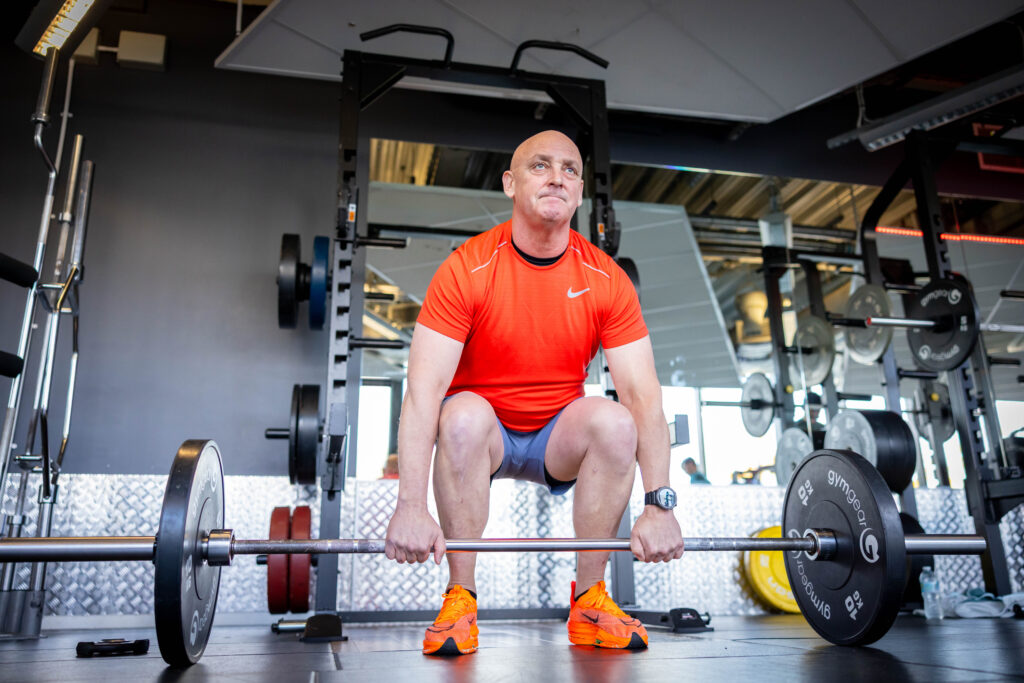
So, what can you do to begin building strength?
Starting strength training doesn’t mean you have to stockpile protein shakes or become an Olympic lifter. It’s about making consistent, manageable changes that fit into your daily routine. For those wondering where to start, try incorporating simple bodyweight exercises like squats, lunges, or push-ups a couple of times a week. Focus on proper form rather than lifting heavy right away, and gradually increase the intensity as your body adapts. Don’t underestimate the power of small steps: even adding a few extra repetitions or using resistance bands can make a noticeable difference over time. Remember, consistency is key, and every bit of effort you put in will help you move, feel, and live stronger. If you are struggling with where to start, you could always consult a personal trainer or join a group fitness class.
-
 Read more: Easter opening times
Easter opening times
As Easter approaches, we’d like to share our Easter opening hours to help you plan your visits to…
-
 Read more: Why is strength training important even if you’re not a power lifter or bodybuilder?
Why is strength training important even if you’re not a power lifter or bodybuilder?
Why is strength training important? Discover the benefits of strength training for all ages, including improved bone density,…
-
 Read more: Volair Rebrand 2026
Volair Rebrand 2026
This year marks 10 years of Volair. To celebrate, we have undertaken a rebrand, a fresh new look,…
-
 Read more: Digital passes
Digital passes
Before starting your active health journey at Volair, download your digital pass to help avoid interruptions to your…
-
 Read more: Food Waste Roadshows
Food Waste Roadshows
Plan your visit Knowsley’s Recycling Engagement Team will be out and about from January to March 2026, visiting…
-
 Read more: Christmas opening times
Christmas opening times
As the festive season approaches, we’d like to share our Christmas and New Year opening hours to help…
-
 Read more: The Rest Revolution
The Rest Revolution
The Rest Revolution What is the Rest Revolution? The Rest Revolution is here, but what exactly is it?…
-
 Read more: Sylvia Gore Girls Football tournament!
Sylvia Gore Girls Football tournament!
Sylvia Gore Girls Football tournament! Who is Sylvia Gore? Sylvia Gore made history in 1972 by scoring…
-
 Read more: Keep Hydrated This Summer!
Keep Hydrated This Summer!
Keep Hydrated This Summer! As the warmer weather approaches, so does the importance of keeping hydrated. Especially if…
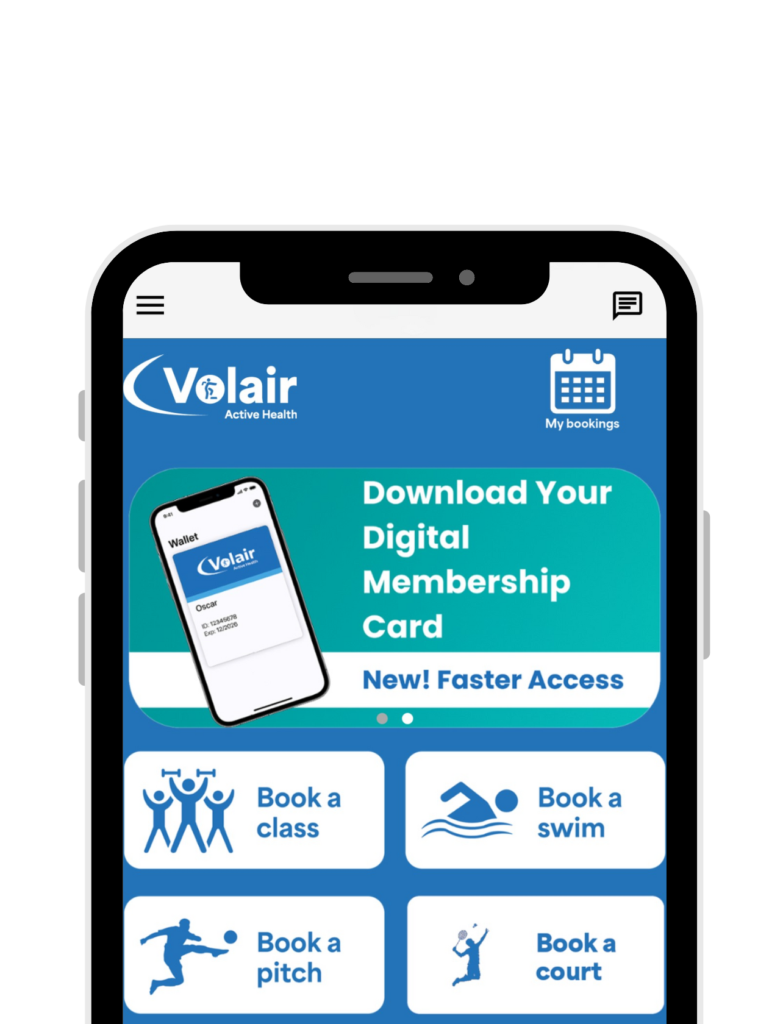
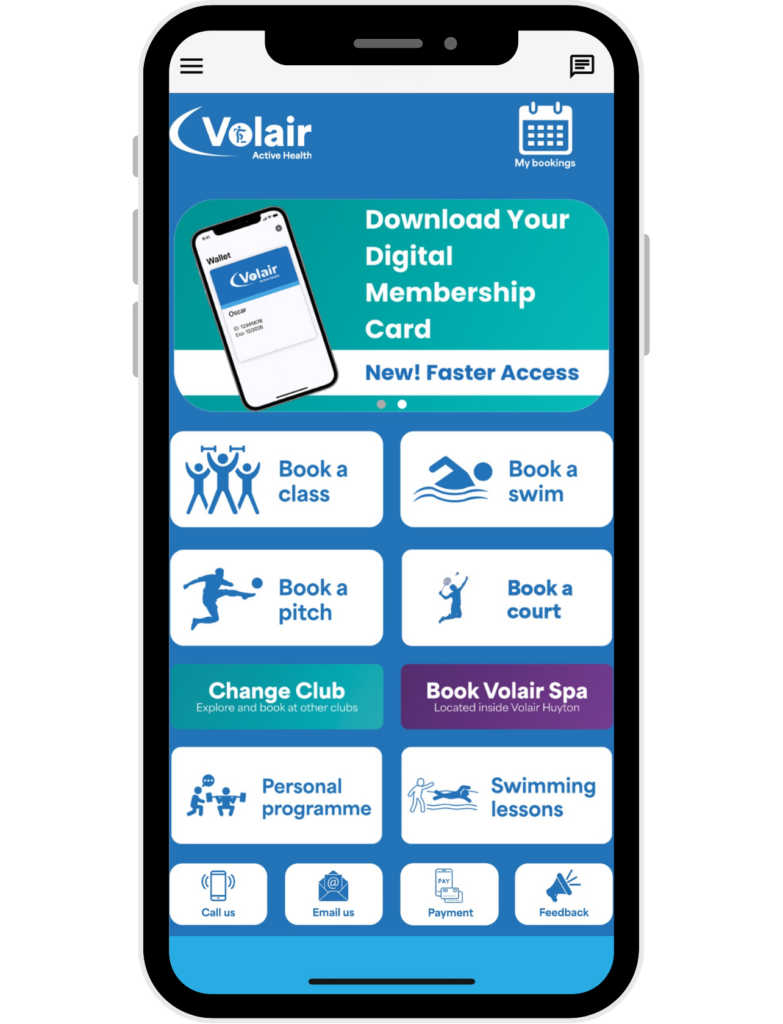
Your Fitness, Your Way – All in One App
The Volair app is your all-access pass to a better, easier fitness journey. Designed for Volair leisure centre members, the app brings together class bookings, activity schedules, facility updates, and more—all in one seamless experience. Whether you’re managing your workout plan, checking swim times, or tracking your goals, the Volair app puts total control at your fingertips.
- Book your favourite fitness classes in seconds, anytime and anywhere.
- Check live schedules for gym sessions, swimming, and group classes at all Volair centres.
- Receive real-time notifications about class changes, centre updates, and exclusive member offers.
- Access bookings and information for every Volair location all from one easy-to-use app.